 Pocket72
Conflict and air-raid warning
Sirens, shelter, information and staying together
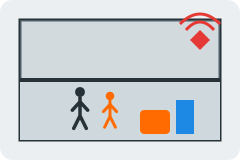
In a crisis or armed conflict, official warnings and the decisions of the authorities protect you. Many European countries ask families to be self-sufficient for at least 72 hours. Calm, reliable information and solidarity with neighbours matter as much as supplies.
Before
- Learn your country's warning signals: siren tones, mobile alerts and radio.
- Find the nearest shelter or the safest place at home: a cellar or an inner room without windows, on a lower floor.
- Keep the home kit for at least 72 hours, better a week, and an emergency backpack by the door.
- Keep copies of documents, cash, a paper map and a written list of contacts.
- Agree with your family what to do if the networks fail: where to meet and who collects the children.
During
- When the alarm sounds, go to the shelter or the inner room at once, taking the emergency backpack.
- Stay away from windows and outside walls. Keep shoes on.
- Listen to public radio or official channels; do not leave until the all-clear, unless your building is on fire, damaged or filling with smoke or gas, or you are ordered to evacuate. Know your country's signals: in Germany a one-minute rising-and-falling tone is the warning and a one-minute steady tone is the all-clear; signals differ elsewhere.
- If you are outside, go into the nearest solid building. If there is no building nearby, get down in the lowest spot you can find (a ditch, a hollow), away from vehicles and glass, and cover your head. Only as a last resort.
- Do not share troop movements, photos of damage or positions on social media.
- Be wary of rumours and false messages: check with official sources.
After
- Follow the instructions about curfews, evacuations and supply points.
- Check on neighbours, especially older people and families with small children.
- Restock water, food, medicines and batteries as soon as you can.
- Never touch, move or approach unknown objects, wires or anything that could be unexploded: keep away, warn others and report it to the emergency number (112) or the police.
Common mistakes
- Going out to look or film after the siren.
- Believing and forwarding unofficial messages.
- Waiting to pack the emergency backpack until the alarm sounds.
Checklist
- Warning signals known
- Shelter or inner room identified
- Emergency backpack by the door
- Home kit for 72 hours or more
- Paper map and list of contacts
- Family plan if networks fail
Sources
- MCF (Sweden) – "In case of crisis or war"
- BBK (Germany) – Ratgeber für Notfallvorsorge und richtiges Handeln in Notsituationen
- BBK (Germany) – Warnung und Sirenensignale
- UK Government – Prepare
- Ready.gov – Shelter / nuclear explosion
- European Commission – Preparedness Union Strategy (26/03/2025)
Pocket72 does not replace the authorities or the emergency number. In danger, call 112 (or your local number) and follow official instructions. No medical advice, no medicine doses and no wild plants: take a first-aid course.