 Pocket72
Shelter and keeping warm
Protect yourself from cold, wet and wind
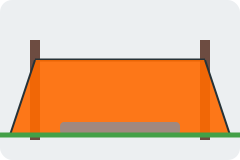
In cold or wet weather, losing body heat is a quicker danger than lack of food. Shelter means staying dry, out of the wind and insulated from the ground.
First choices
- The best shelter is often a building, a car or a natural cover close by.
- Stay where rescuers can find you if you are lost and someone knows your route.
- Shelter before dark: building in the dark is hard and risky.
A simple tarp shelter
- Tie a rope between two trees at chest height.
- Put the tarp over the rope and fix the sides to the ground, low on the side of the wind.
- Leave the open side away from the wind and away from the fire smoke.
Insulation
- Put a thick layer of dry leaves, branches or a mat under you: the ground takes heat away.
- Keep clothes dry: change wet socks and take off sweaty layers before stopping.
- Wear a hat and cover your neck.
- Share warmth with others under the same blankets.
- Never run a fire, stove or engine in a closed shelter, tent, snow hole or car with the exhaust blocked: carbon monoxide.
- Signs of hypothermia: shivering, confusion, slurred speech. Give warm dry layers and warm sweet drinks, and call 112.
Places to avoid
- Valley bottoms and dry river beds, where cold air and water collect.
- Under dead trees or loose rocks.
- Hilltops exposed to wind and lightning.
Common mistakes
- Sleeping directly on the ground.
- Staying in wet clothes.
- Choosing a beautiful spot instead of a safe one.
Checklist
- Tarp and 10 m of rope
- Emergency blanket
- Insulating mat
- Hat, gloves, spare socks
Sources
- U.S. Army FM 3-05.70 "Survival" (2002), public domain
- Ready.gov (FEMA, U.S. Government, public domain)
Pocket72 does not replace the authorities or the emergency number. In danger, call 112 (or your local number) and follow official instructions. No medical advice, no medicine doses and no wild plants: take a first-aid course.